

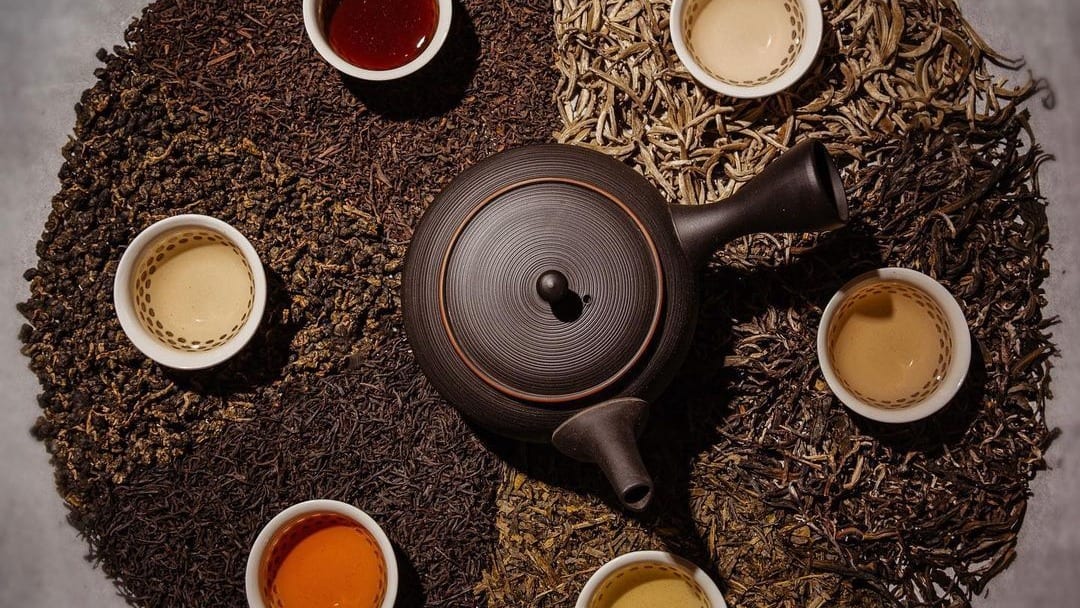
How to choose a Yunnan tea category
Raw Pu-erh, ripe Pu-erh, Dian Hong and Yunnan white tea all start from the same large-leaf material. Compare them by process, style, catalog format and sales channel.
Read more →Tea Journal
Practical guides for importers and tea houses — how to read Yunnan tea, raw vs ripe Pu-erh, formats and tribute-tea heritage.
Raw Pu-erh, ripe Pu-erh, Dian Hong and Yunnan white tea all start from the same large-leaf material. Compare them by process, style, catalog format and sales channel.
Read more →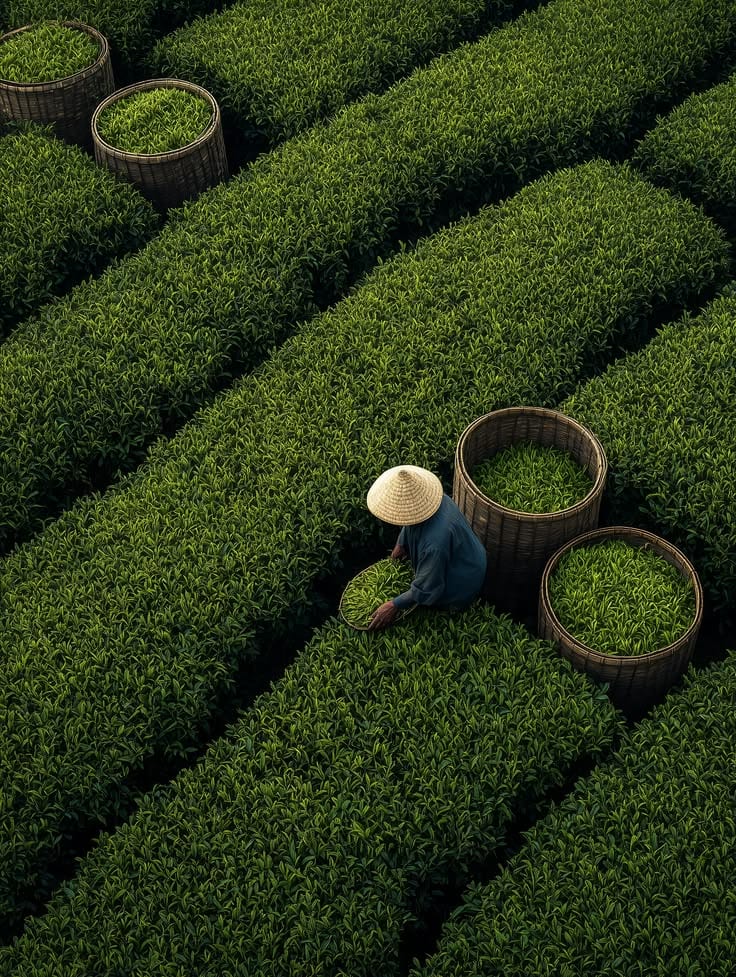
Which Yunnan region a tea comes from, what that does and does not predict, and how our own 26 lots are distributed across Xishuangbanna, Lincang, Pu'er and Baoshan.
Read more →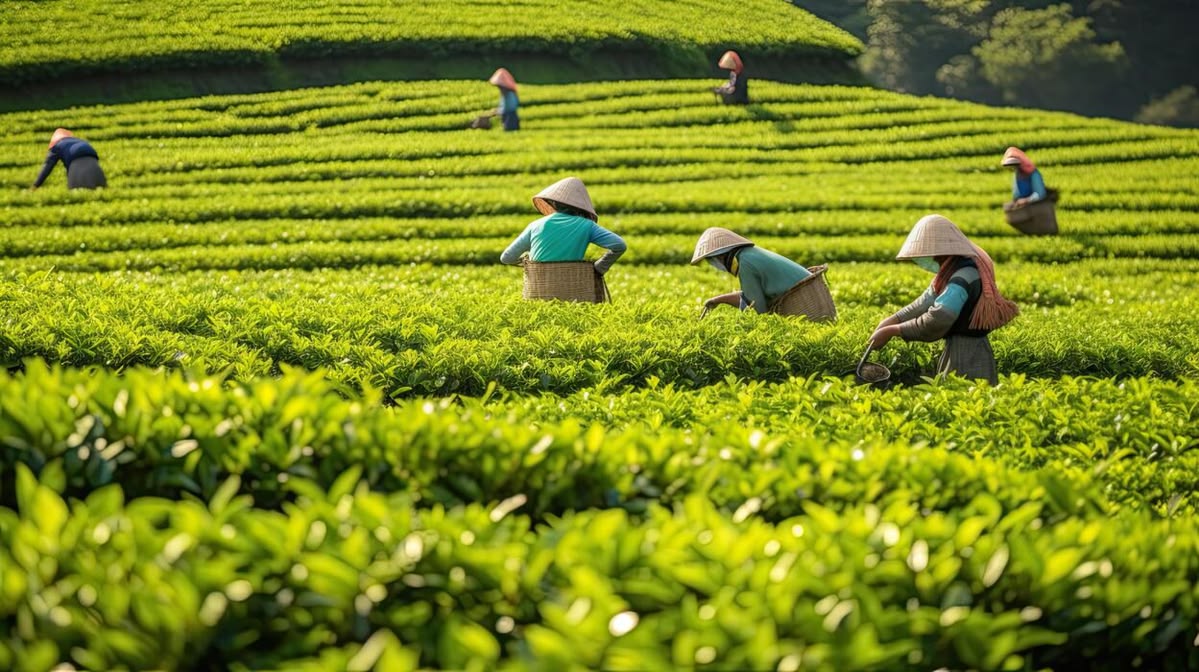
A market-by-market guide to choosing Yunnan tea by local drinking habits, sales channel, price position and packaging format, with a practical sequence for samples and a first wholesale order.
Read more →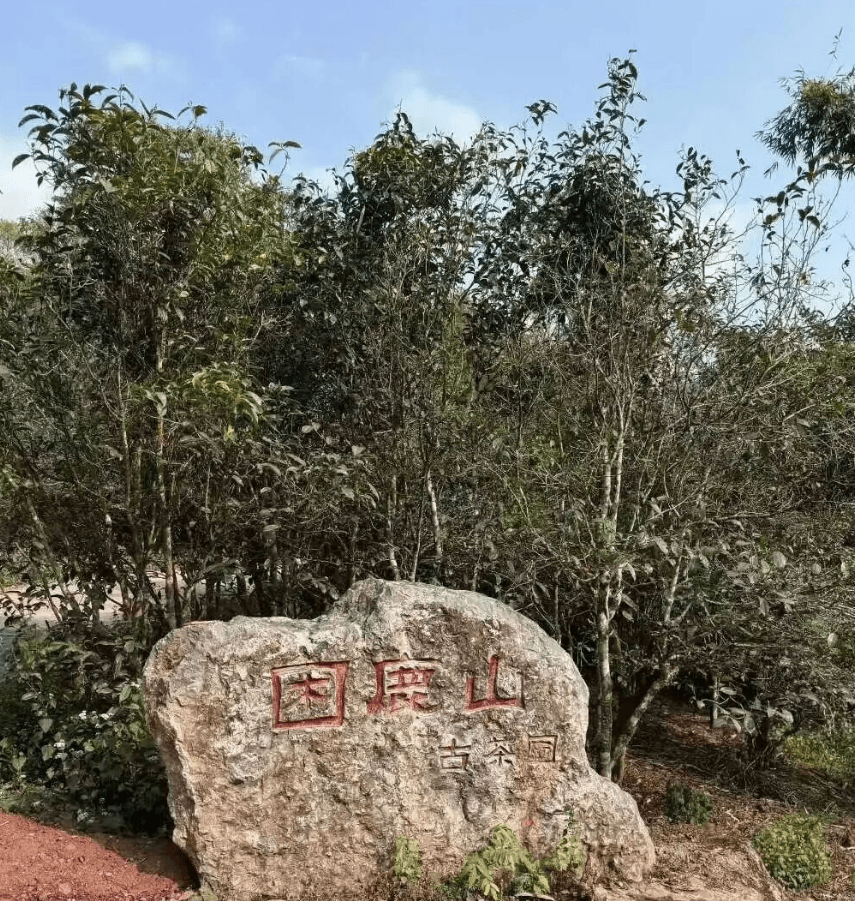
Kunlu Mountain in Ning'er is remembered as a Qing royal tea garden. Its old-garden tea is known for restrained orchid and floral-honey aromas, a fine, soft liquor and a lasting returning sweetness—the qualities tea drinkers describe as elegant.
Read more →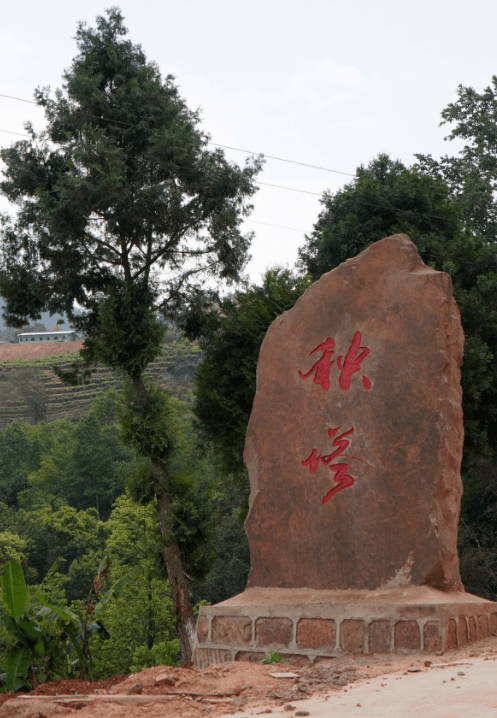
Yangta Old Village in Minle, Jinggu is a historic home of Jinggu large-white tea and the White Dragon Whisker tribute-tea story. Its large, silver-haired buds and low-intervention white-tea processing give a clear, sweet cup with downy, floral and honeyed aromas.
Read more →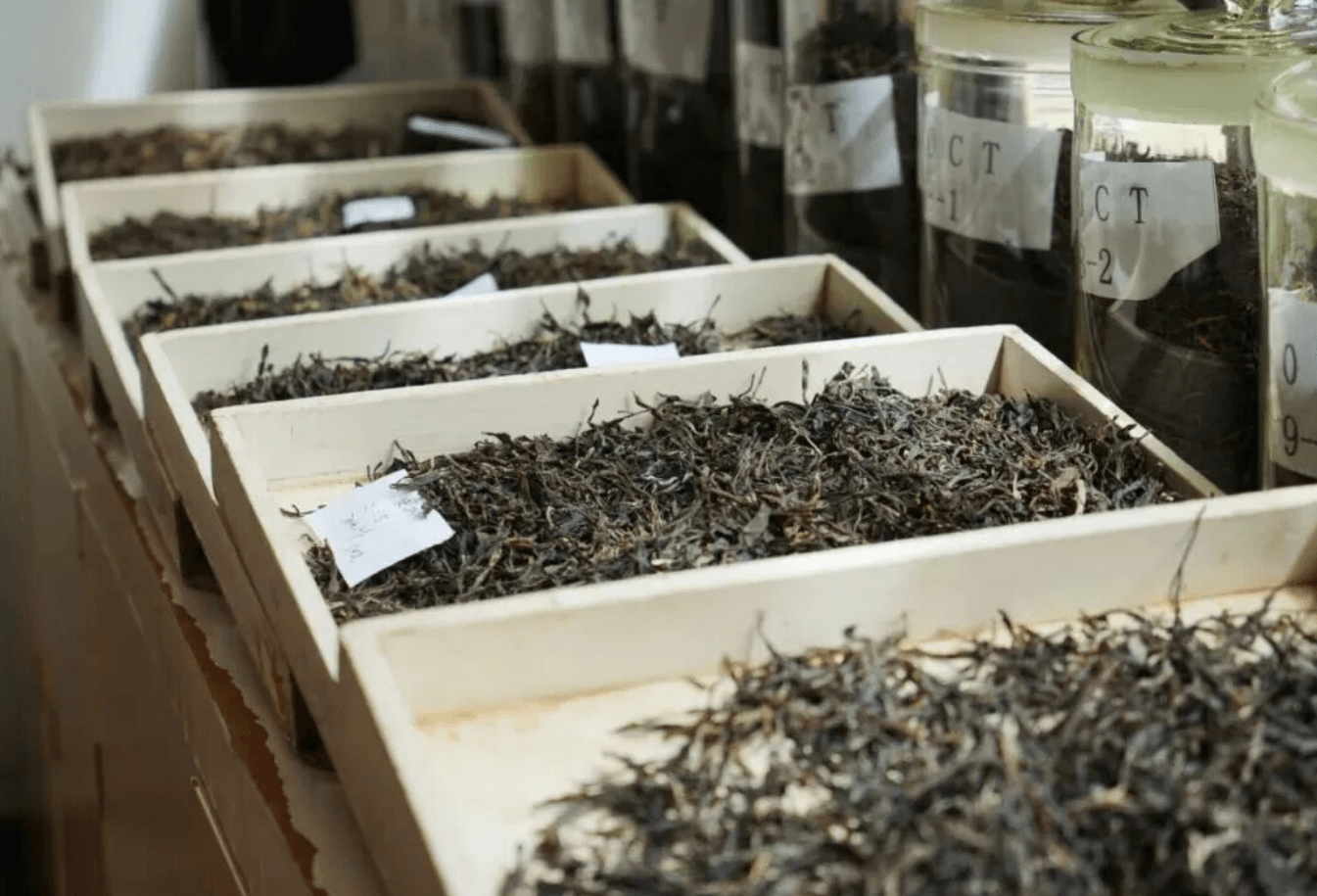
Electrostatic impurity removal is a refining step used to separate hair, fibres and other light foreign matter from finished maocha. It works with screening, air separation, magnets and hand sorting; it does not replace clean production or lot testing.
Read more →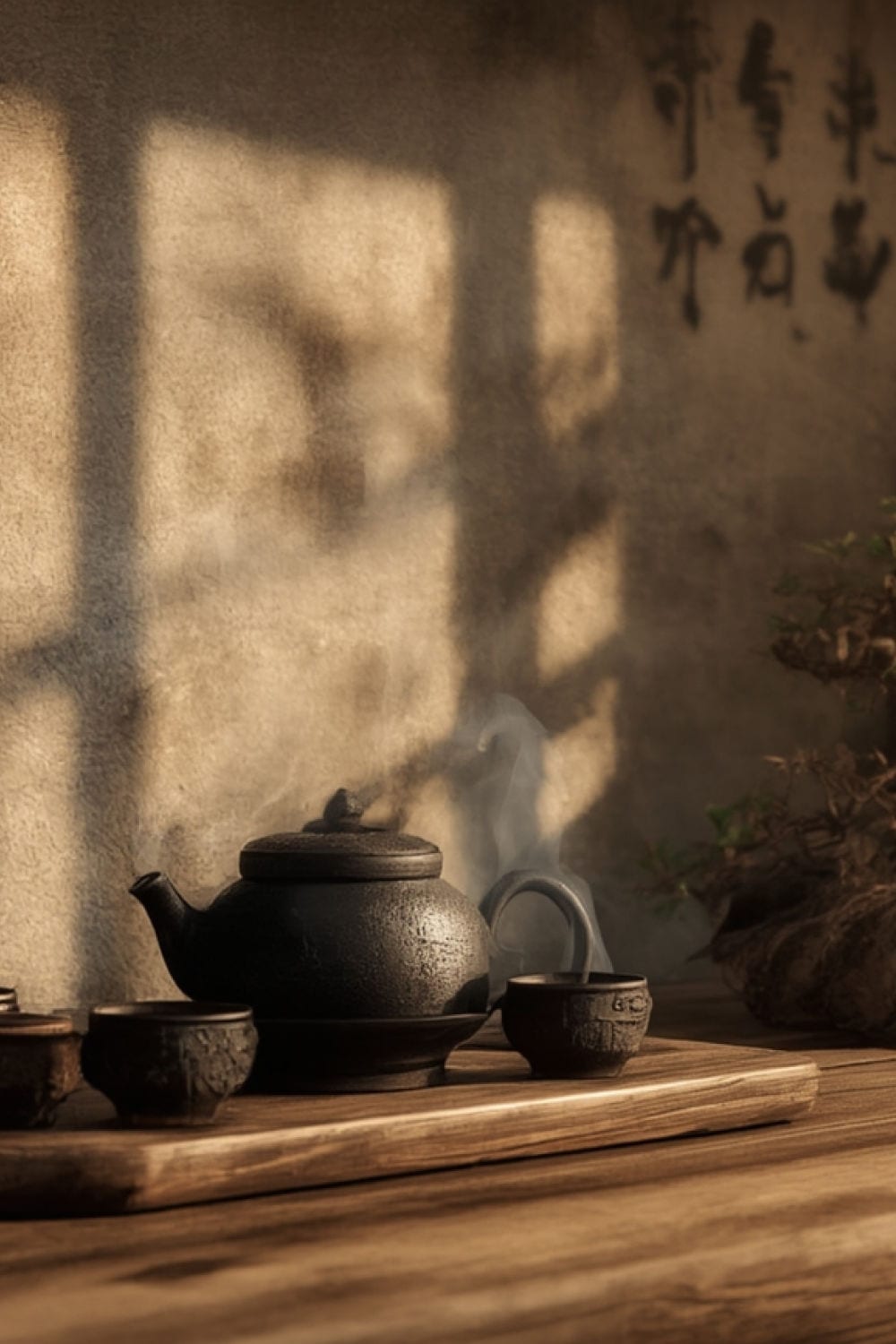
Boiling water, two quick rinses, about five seconds for the first five infusions, then ten to fifteen from the sixth — the full brewing method for Baodun Yanyu ancient-tree ripe Pu-erh, and how to read the cup it gives you.
Read more →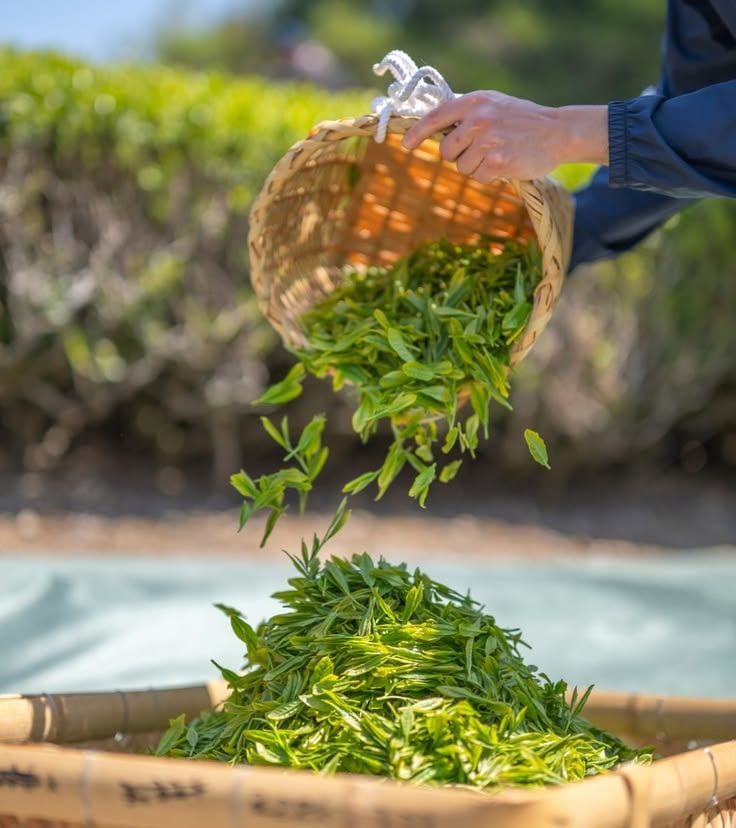
We supply Yunnan tea two ways: under our own brands, or under yours. The lot is the same either way — what changes is whose name is on the wrapper and who decides the format.
Read more →
You are not really looking for a factory. You need one supplier who will sample the exact lot you would buy, sell a quantity small enough to be wrong about, and put your label on it without a print run you cannot fill.
Read more →
About 2,000 named village origins, counted by region, flavour, value tier and tree age — our full 2026 compilation of how Yunnan's mountain teas break down.
Read more →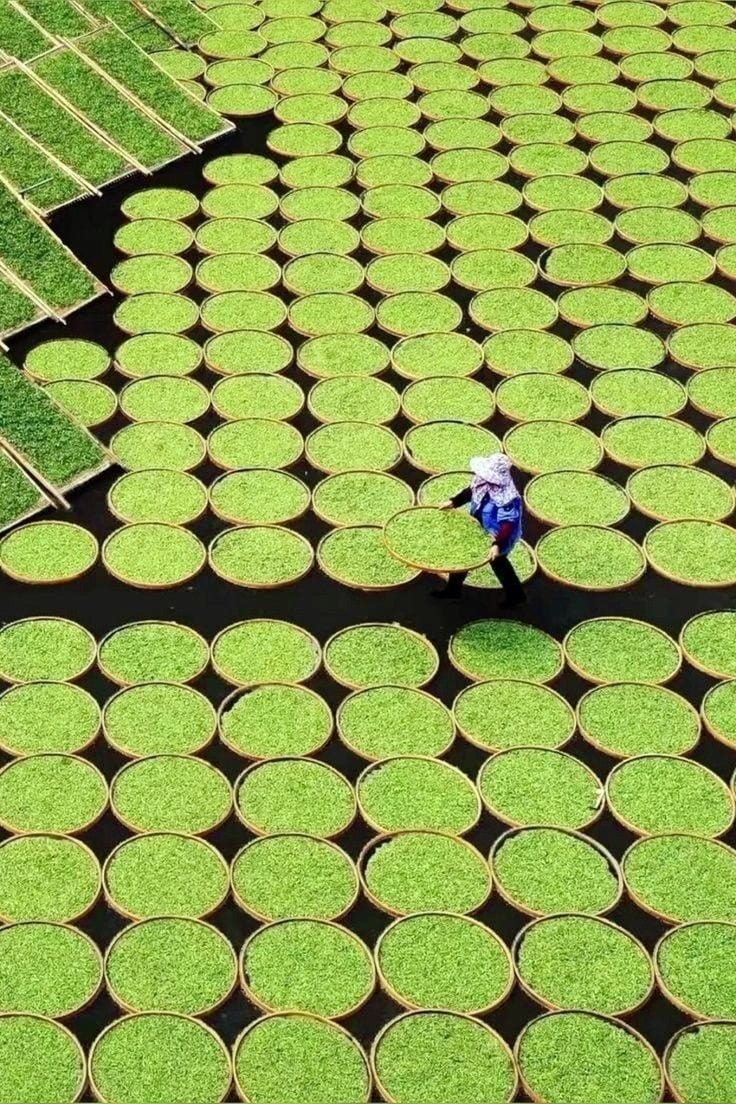
If you are about to put your brand on someone else's tea, these seven questions separate a producer from a reseller — and tell you what a usable answer looks like.
Read more →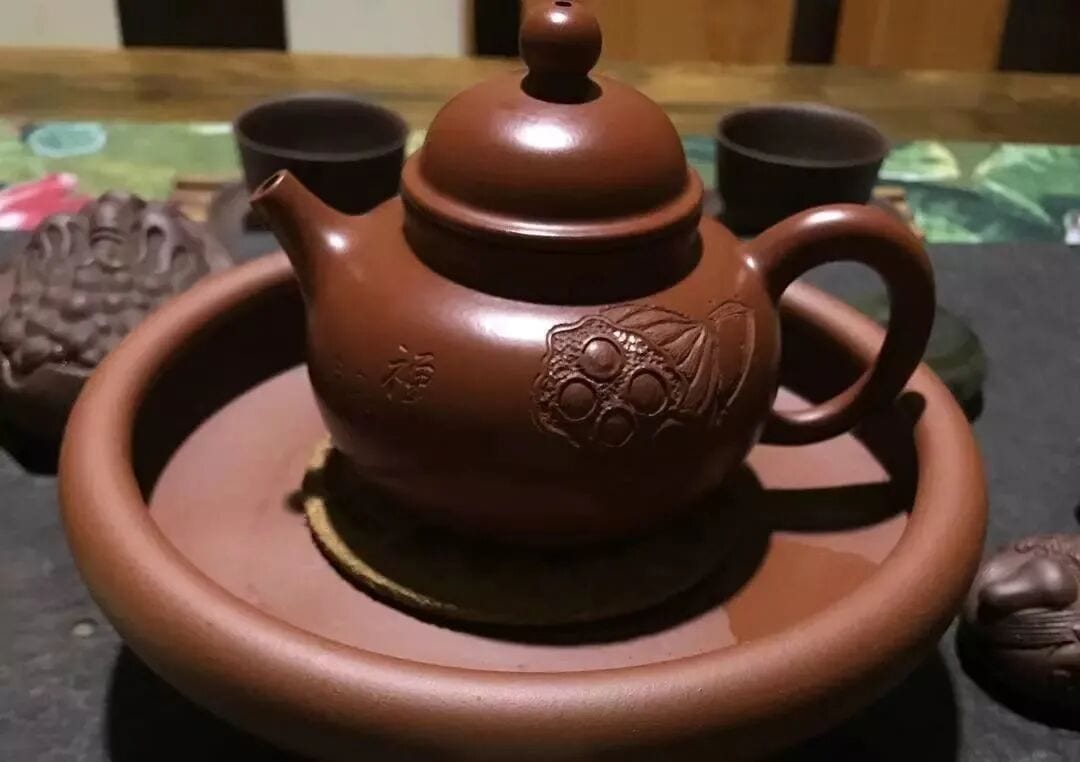
A quick rinse is not a residue-removal method, foam on the surface is a normal property of the infusion, and teaware choices depend on the tea. Five brewing questions answered.
Read more →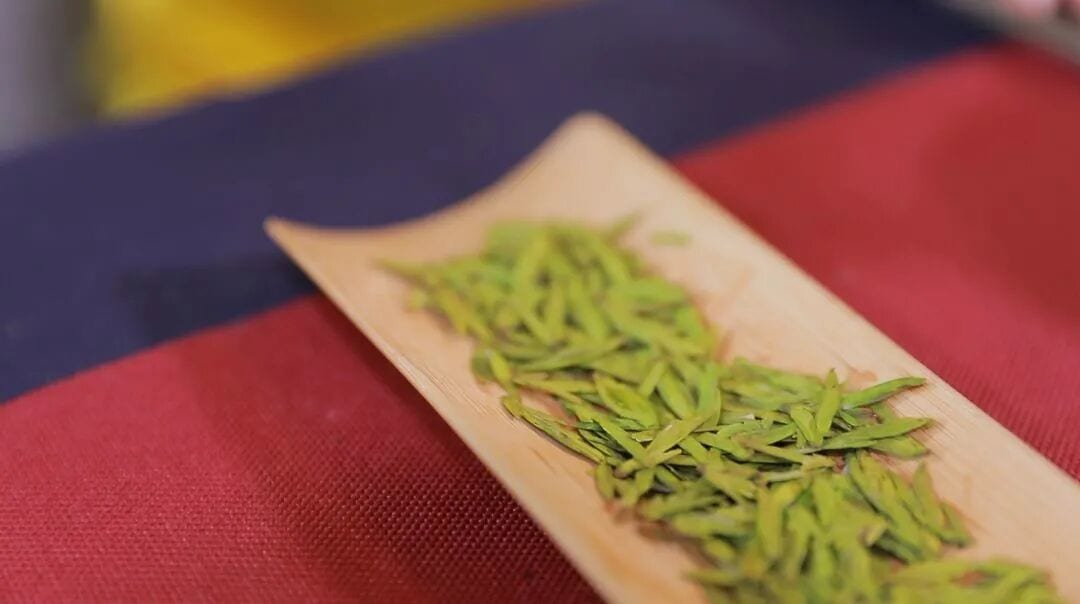
Tieguanyin and Da Hong Pao are oolong, Junshan Yinzhen is yellow tea and Biluochun is green tea. Here is how Chinese tea categories are decided by processing.
Read more →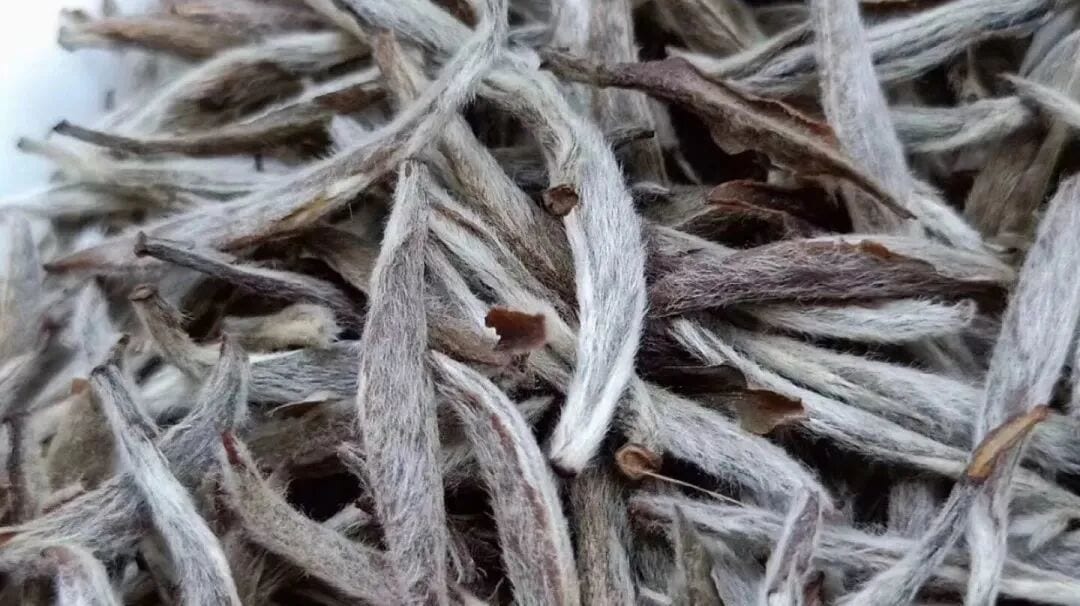
A practical guide to five common tea quality myths: pure material, tea hairs, matcha, new tea and the color of Longjing.
Read more →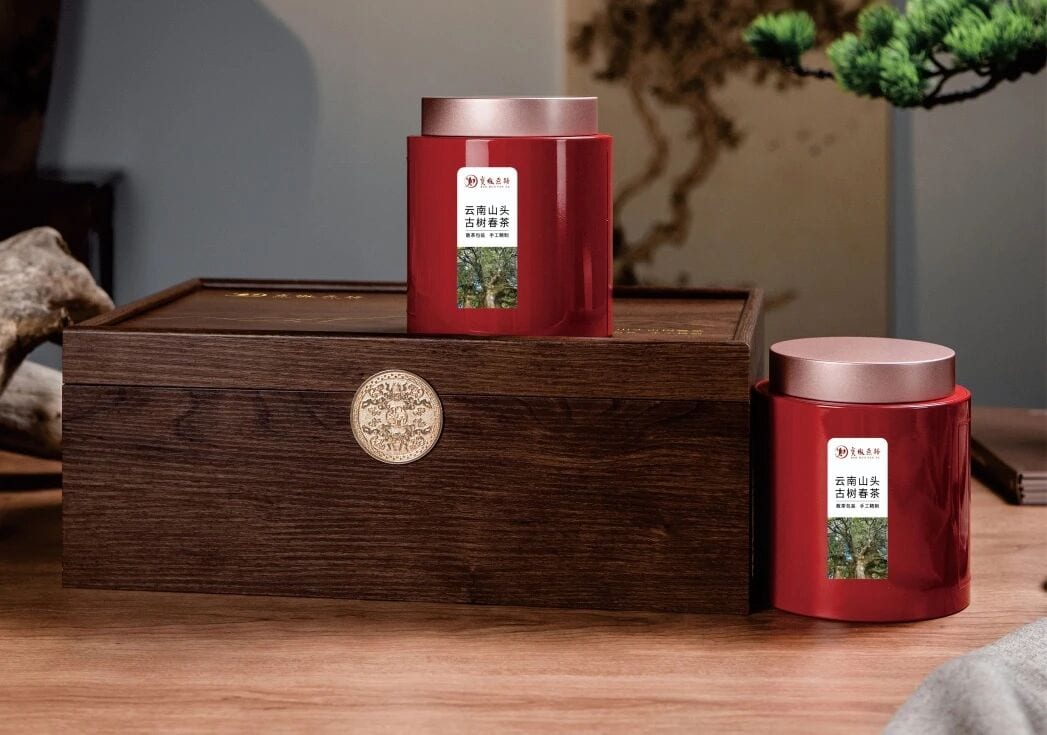
Plan a wholesale tea gift project around recipients, occasion, delivery date, tea selection and the level of private-label packaging required.
Read more →
Build a first wholesale tea order around customer use, representative samples, clear specifications and a manageable replenishment plan.
Read more →
Ancient-tree Pu-erh is valued for the aroma, liquor texture, returning sweetness and infusion stability that a good lot can show. Tree age alone does not guarantee quality: ecology, cultivar, harvest, processing, storage and traceable lot records must agree.
Read more →
Learn what Yunnan large-leaf tea means, how processing turns it into Pu-erh, Dian Hong or Yunnan white tea, and why large-leaf is not the same as ancient-tree tea.
Read more →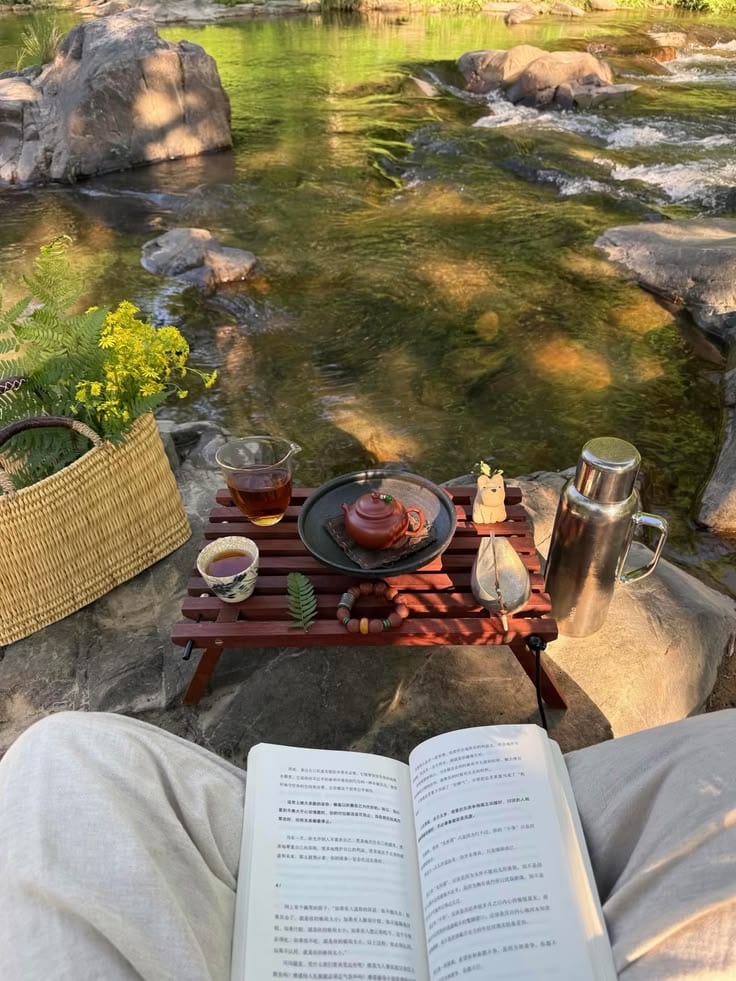
Choose tea for solo drinking by flavour, brewing convenience and format, with practical starting points for raw and ripe Pu-erh, Dian Hong and Yunnan white tea.
Read more →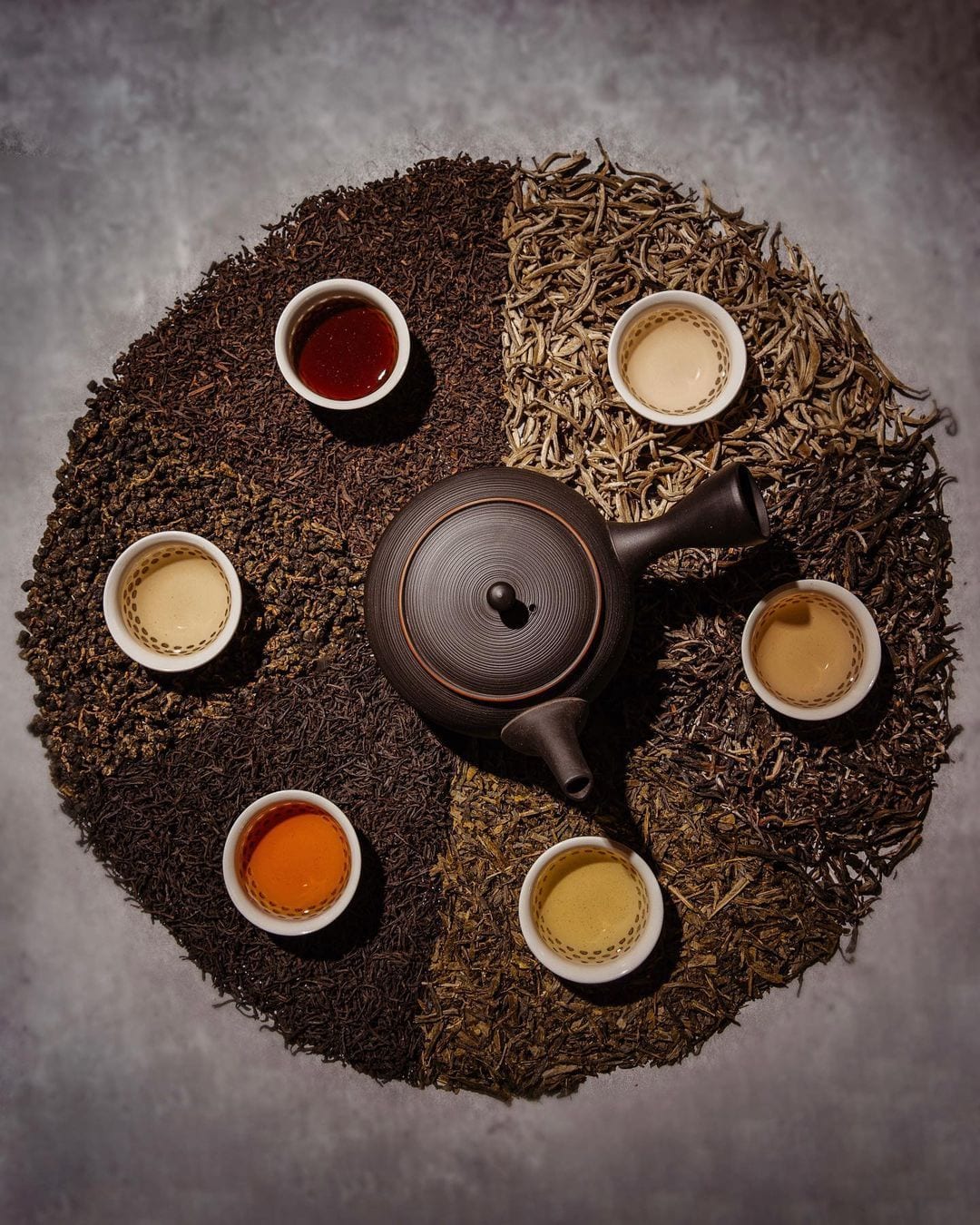
A practical guide to comparing mid-to-high-end Yunnan tea by named origin, production lot, sample consistency, format and product collection.
Read more →
Sheng (raw) and shou (ripe) Pu-erh look similar as cakes but drink very differently. A quick guide for importers building a Yunnan tea range.
Read more →
Mountain, altitude, tree age, harvest year, format — the terms that actually matter when you source single-origin Yunnan tea.
Read more →
The 'three mountains and two villages' behind Dianwu Gongya, and the heritage they carry.
Read more →