Kunlu Mountain Royal Tribute Tea: A Distinctive Yunnan Style Known for Elegance
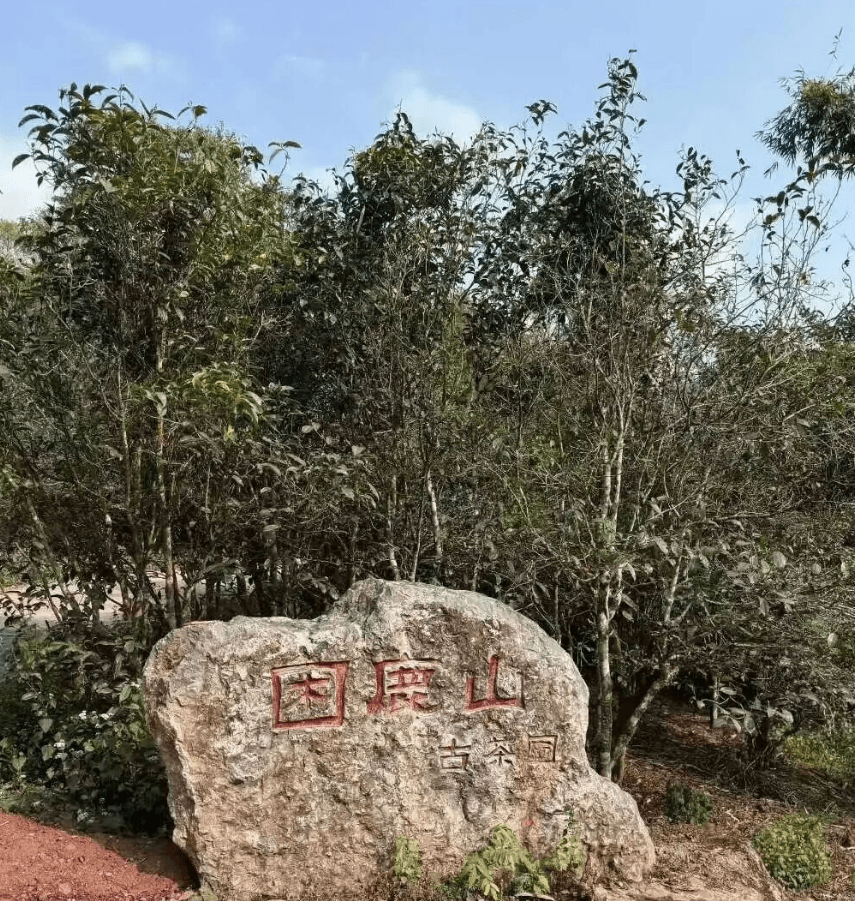
Kunlu Mountain in Ning'er is remembered as a Qing royal tea garden and is one of the named origins in Baodun Yanyu's Dianwu Gongya Three Mountains and Two Villages selection. Its tea is valued for restraint rather than force: orchid and floral-honey aromas, a fine, soft liquor, quickly returning sweetness and a clean finish form the style commonly described as elegant.
Kunlu Mountain in Ning'er
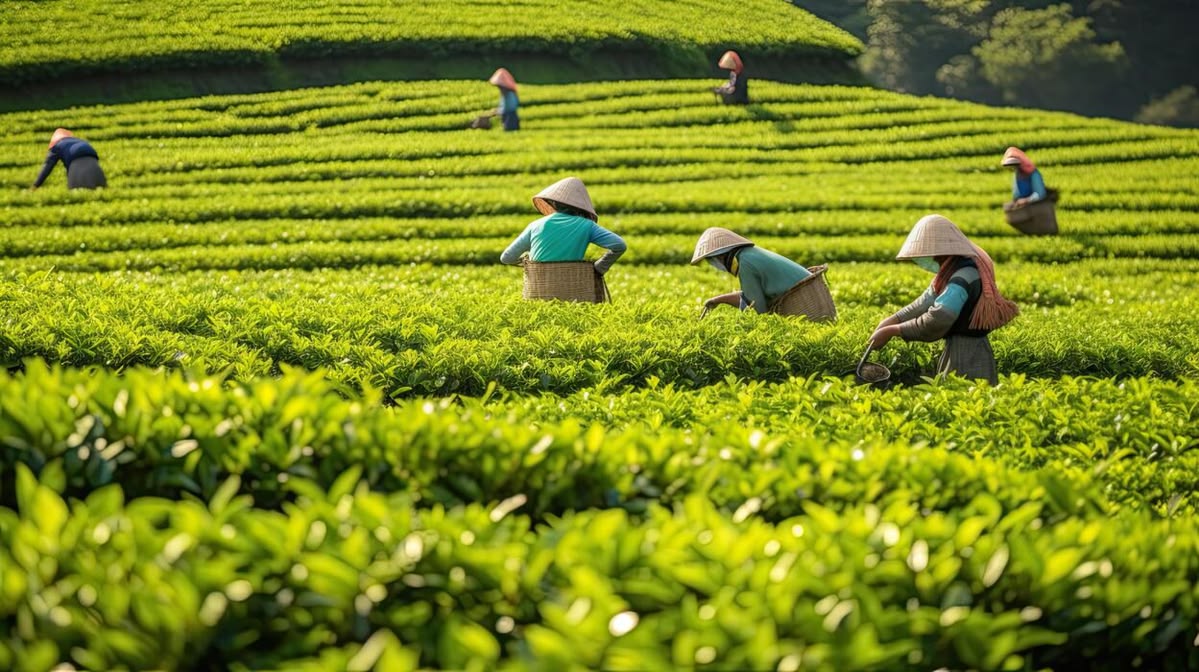
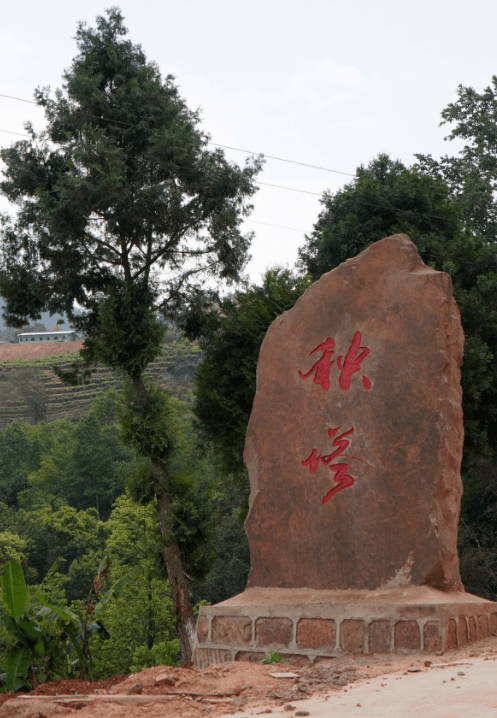
Kunlu Mountain lies in Kuanhong Village, Ning'er Town, Ning'er Hani and Yi Autonomous County, Pu'er. It is part of the Wuliang Mountain system. Forest, mist and varied mountain terrain create a cool, humid setting for old tea gardens, but the place name alone does not define a finished tea: garden, harvest, processing and batch condition still need to be checked together.
The Qing tribute-tea history
Official Chinese government and cultural-heritage materials describe Kunlu Mountain as a Qing royal tea garden connected with the wider Pu'er tribute-tea system. Records of that wider system place the establishment of Pu'er Prefecture and its tribute administration in 1729. The surviving public material supports the royal-garden identity more clearly than every detail repeated in modern retellings, so the historical description should not be treated as present-day certification.
The tribute-tea story explains why Kunlu carries unusual cultural weight. It does not prove that every tea sold under the mountain name came from an old tree or from the historic garden. Current lots still require origin, harvest, production and sample records.
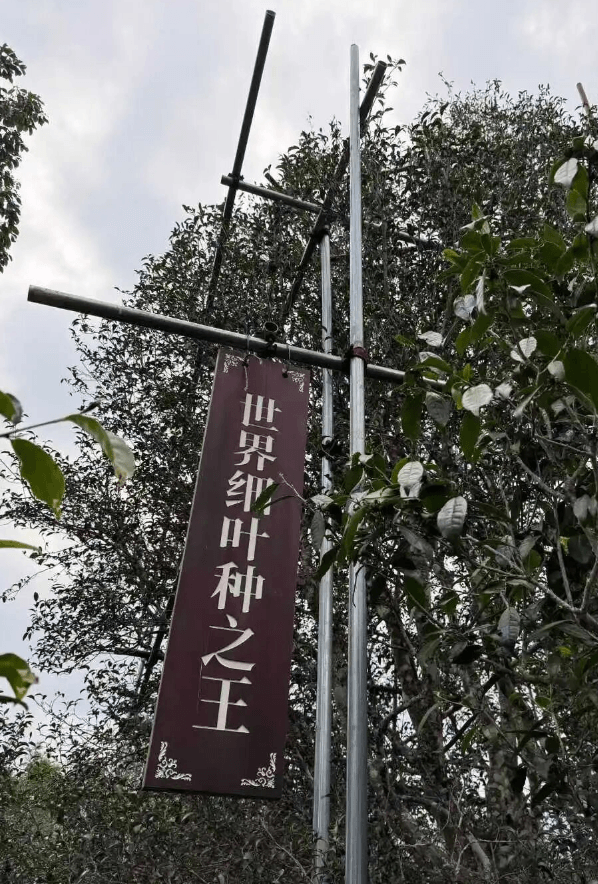
An old garden described as a tea museum
A 2020 Yunnan provincial investment-project profile describes 670 mu of tea around the Kunlu Mountain group, including a 170-mu ancient garden with 4,760 tea trees. It reports 400 cultivated trees over 1,000 years old and calls the area a 'tea museum' for the diversity of old tea-tree resources. These figures describe the project area's survey scope; they should not be expanded into a claim that the whole mountain is one 10,000-mu ancient garden.
The value of this mixed old-garden landscape lies in diversity, not in a single tree-age slogan. Buyers should connect any age or garden claim to the actual harvest lot and its records rather than transfer a regional statistic to every cake.
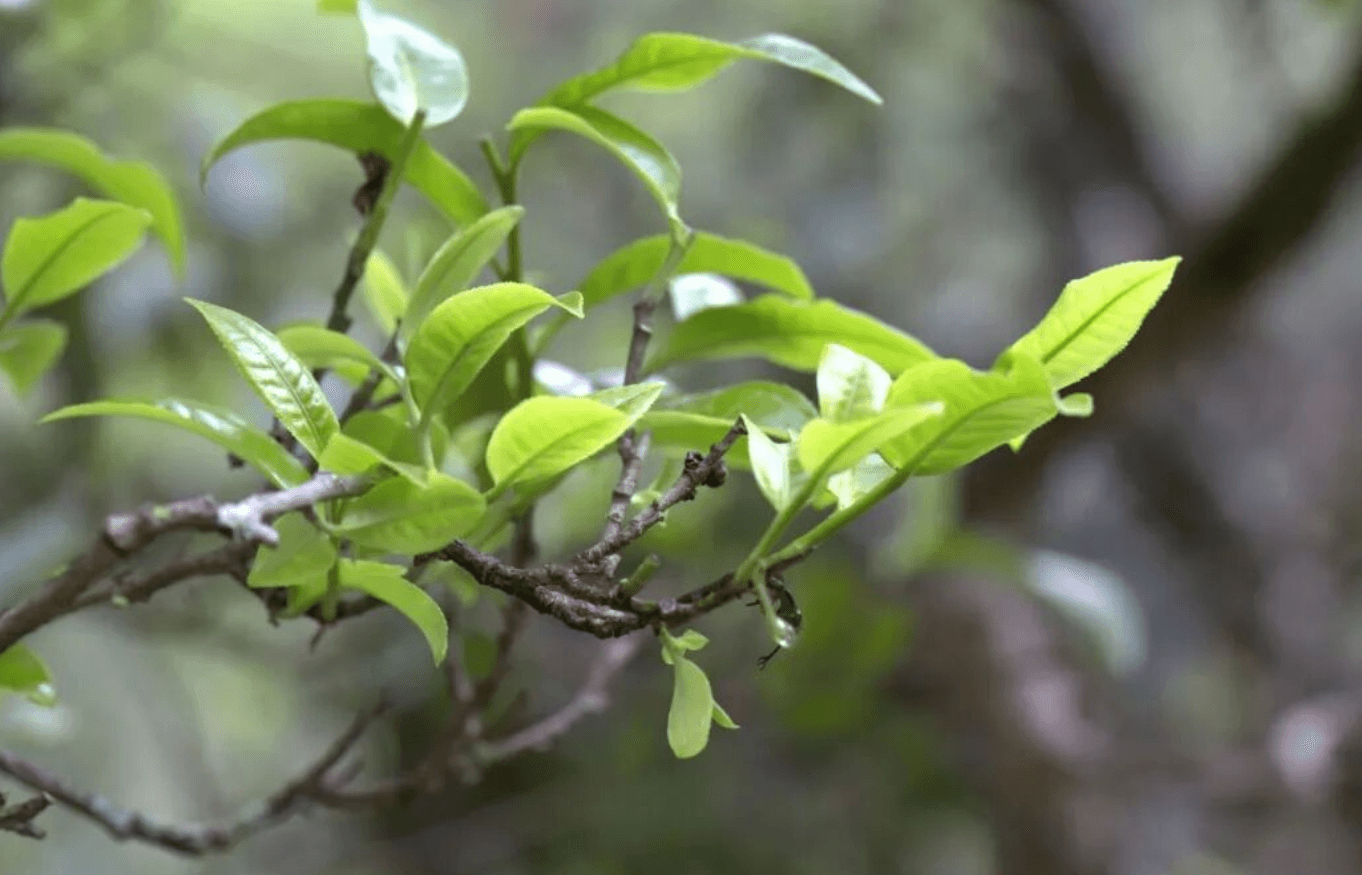
Why the cup is described as elegant
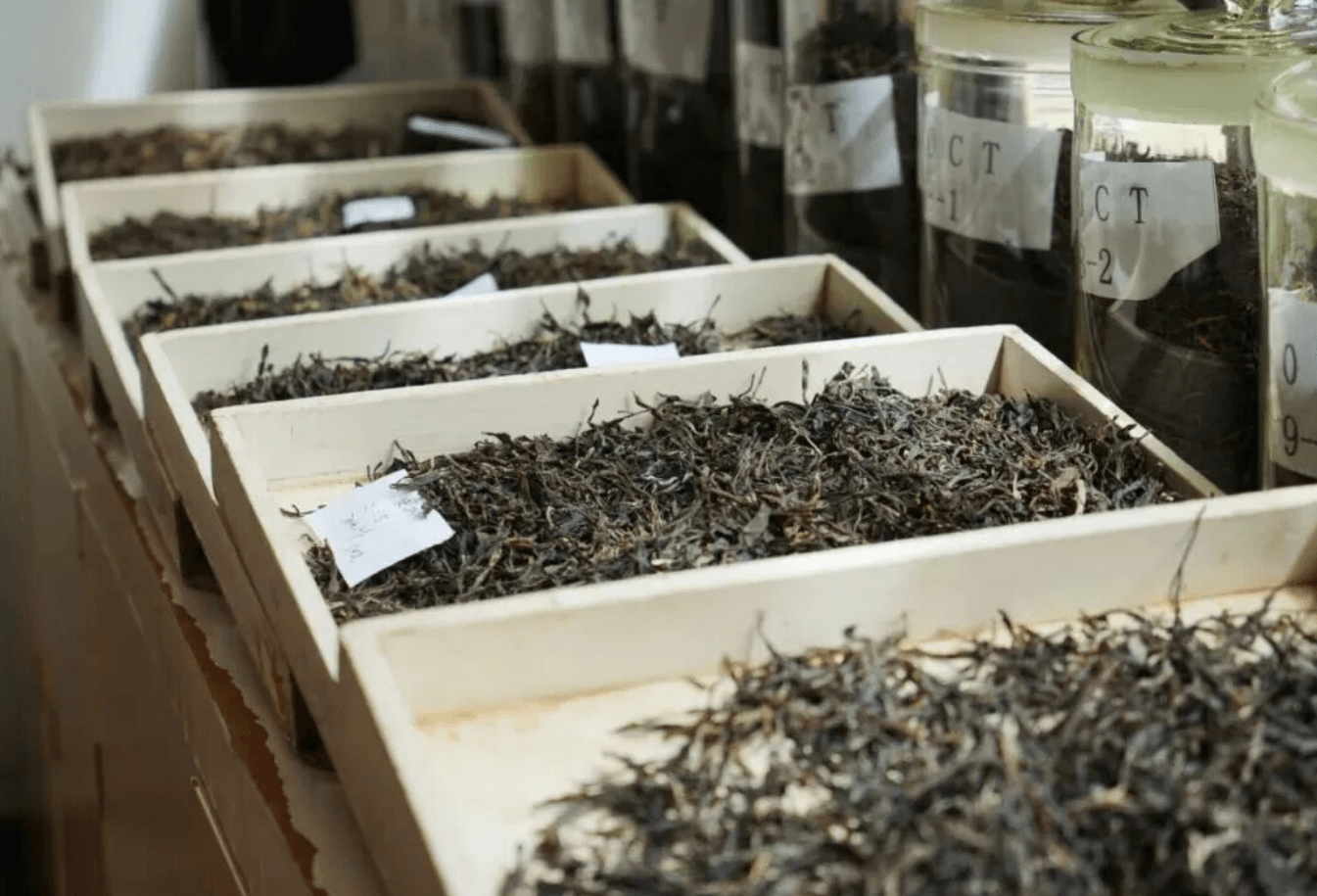
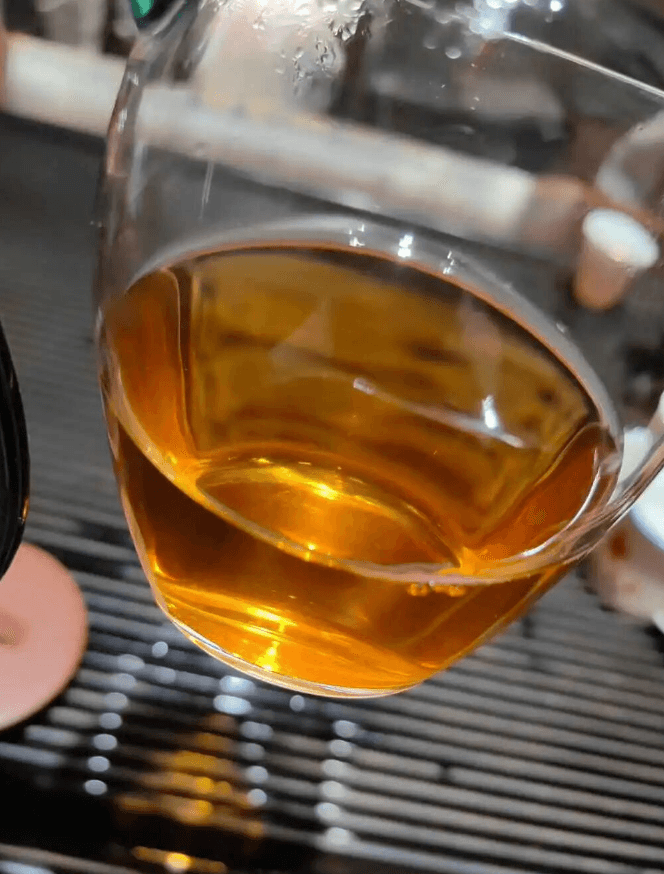
Kunlu Mountain raw Pu-erh is often described through quiet orchid, floral and honeyed aromas rather than an aggressive perfume. A representative new-tea lot may give a clear yellow-green to golden liquor, fine texture and quick returning sweetness. Bitterness and astringency vary by season and process; when present, they should resolve cleanly rather than being promised away.
With suitable storage, the liquor may deepen towards orange-gold and the aroma become rounder. Storage quality matters more than age alone, so a buyer should compare the dry leaf, brewed aroma, liquor texture, aftertaste and representative batch sample.
Kunlu Mountain in the Dianwu Gongya collection
Baodun Yanyu is rooted in the core tea regions of southwestern Yunnan. Kunlu Mountain is one of the named origins in the Dianwu Gongya heritage collection's Three Mountains and Two Villages selection. Its role in that group is the composed, fine-textured expression—the style summed up by the Chinese character ya, or elegance.
For sourcing, that story must remain attached to a real lot. Confirm the garden or village, harvest season, raw-material range, processing date and storage; then make sure the approved sample and packed tea come from the same declared batch.
Produced by: Baodun Yanyu Tea Industry (Sichuan) Co., Ltd. Editor: Yanyu. Notice: This information is shared for reference. Please contact us if it raises a copyright concern.
Related reading: the Kunlu Mountain tea lot, the Dianwu Gongya tribute-tea collection, and how Yunnan large-leaf tea is defined.
Frequently Asked Questions
Where is Kunlu Mountain?
Kunlu Mountain is in Kuanhong Village, Ning'er Town, Ning'er Hani and Yi Autonomous County, Pu'er, Yunnan. It forms part of the Wuliang Mountain system and contains old tea gardens within a forested mountain landscape.
Why is Kunlu Mountain described as a Qing royal tea garden?
Chinese government and cultural-heritage sources identify Kunlu Mountain as a Qing royal tea garden connected with the wider Pu'er tribute-tea system. The phrase describes historical use; it is not a modern government or royal endorsement of a current product.
What does elegance mean in the taste of Kunlu Mountain tea?
Elegance is a sensory description rather than an official grade. In a representative lot, it refers to a quiet orchid or floral-honey aroma, fine and soft liquor, quickly resolving bitterness, returning sweetness and a clean, lingering finish.