Yunnan Ancient-Tree Tea's Dust-Removal Journey: How Electrostatic Cleaning Works in Tea Factories
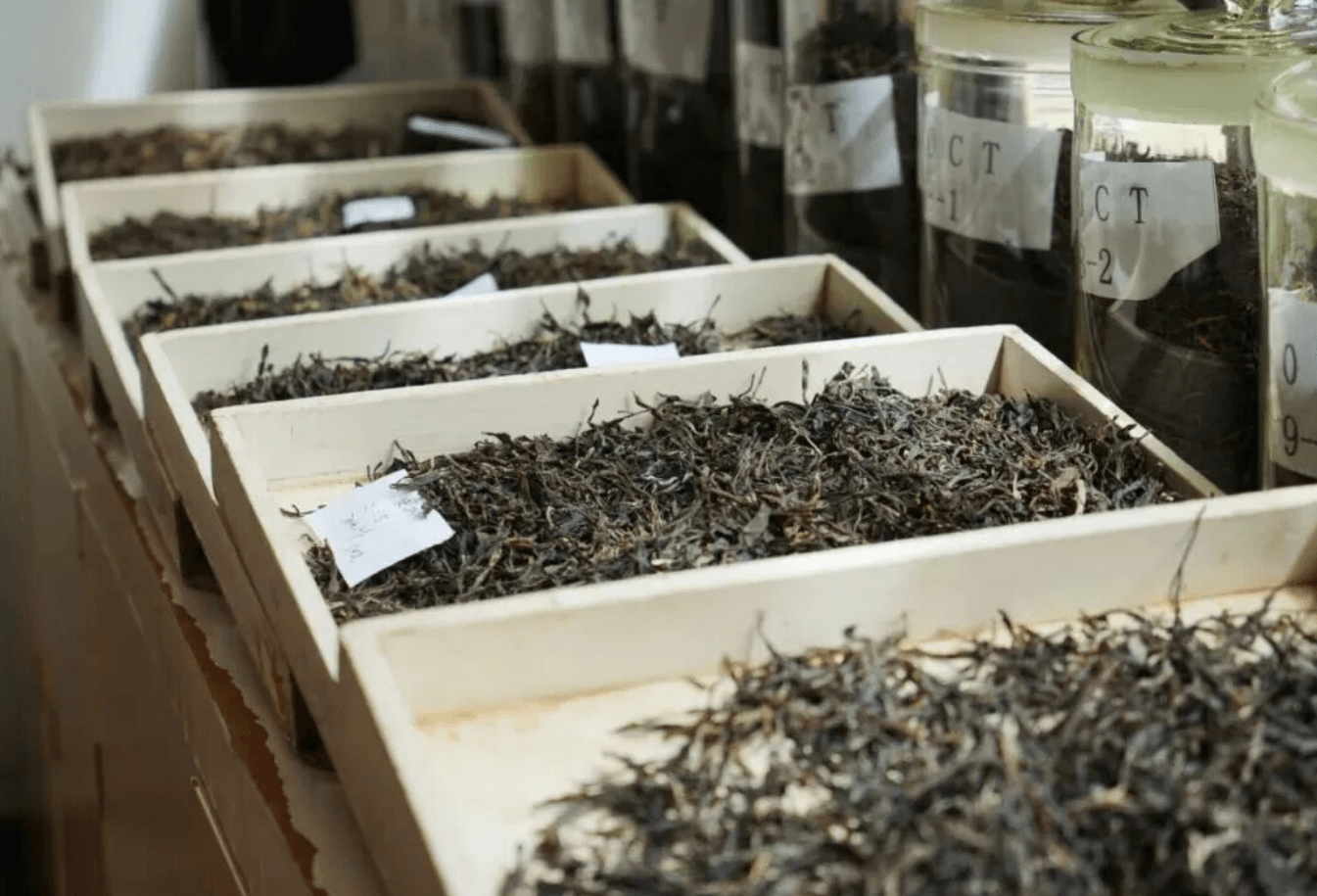
Electrostatic impurity removal is one part of tea refining, usually carried out after maocha has dried and before blending, pressing or final packing. Charged rollers or an electric field attract light foreign matter such as hair, woven-bag fibres and small plastic or paper fragments. Screens, air separation, magnets and hand sorting handle other material. The purpose is cleaner tea with less foreign matter, not a claim that one machine makes a batch sterile or proves its safety.

Why mountain tea needs impurity removal
Ancient-tree tea may come from remote gardens, but remote origin does not keep foreign matter out of the production line. Dust and soil can arrive with fresh leaf. During transport, withering, fixing, rolling and sun-drying, broken leaf, fibre from sacks, hair or small stones may enter the material. Ripe Pu-erh adds pile fermentation and more handling, so the factory has another stage at which it must control foreign matter.
- Fresh-leaf handling: dust, soil, plant fragments and material introduced during transport
- Primary processing: broken leaf, tea dust, fibres and small stones from repeated spreading and movement
- Ripe-tea production: additional contact during pile fermentation, turning, drying and transfer
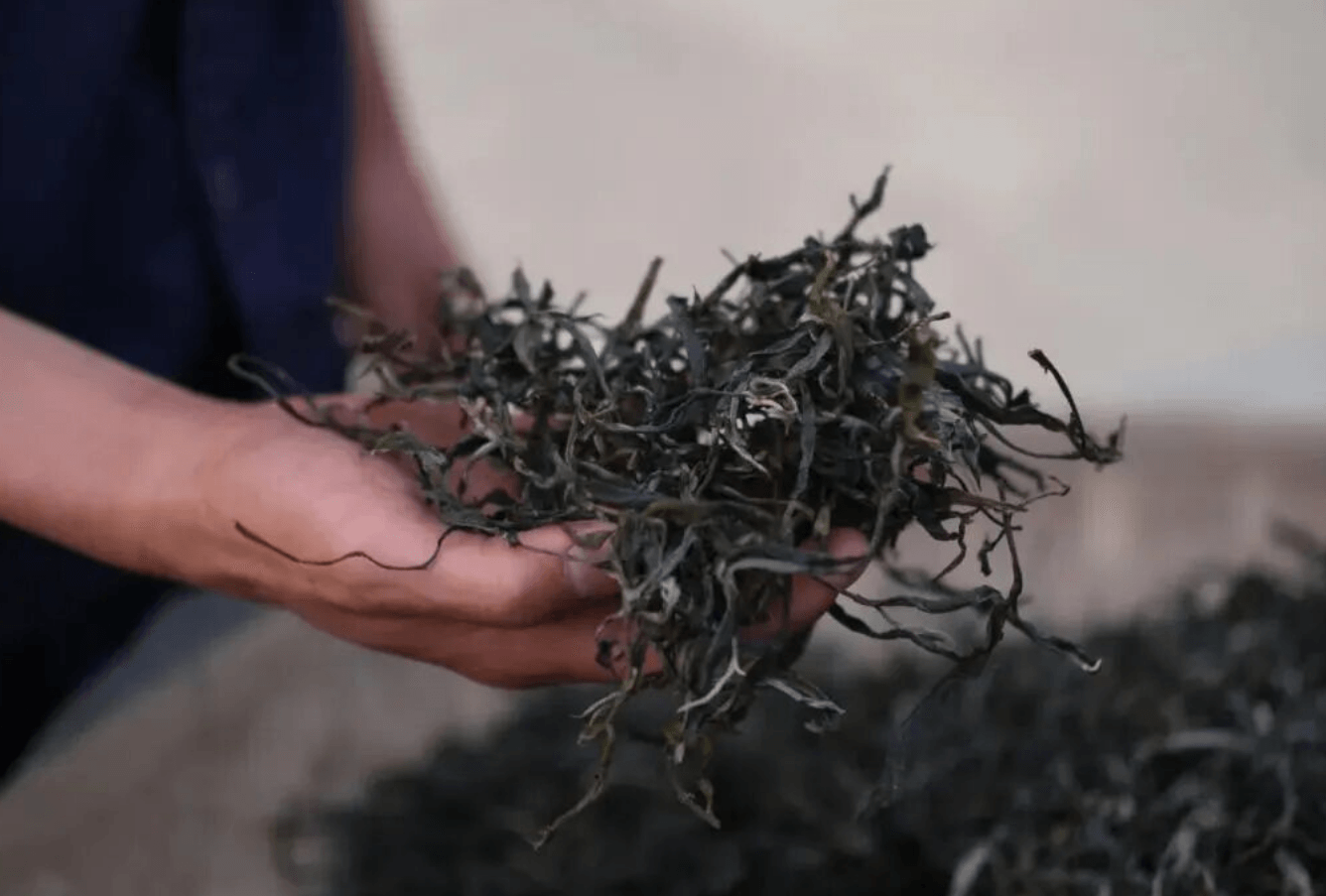
Workers can see and remove large foreign objects, but hair and thin fibres are slow to find by hand. Modern refining therefore uses several methods in sequence. Each machine targets a different physical property, such as size, weight, magnetism or response to an electric field.
How electrostatic impurity removal works
Tea equipment sold under the name 'electrostatic cleaning' does not all use one design. Some machines create charge by rubbing felt against an engineering-plastic roller. Others pass falling tea through a field between an electrode drum and a distribution drum. Light material or components that polarise more strongly move toward the charged surface, while most tea follows a different path. Chinese patent CN102294303A describes a refining line that combines a static roller, graded screens and a magnet rather than asking the static roller to remove every kind of impurity.
- Spread the tea into a thin, even feed so hidden fibres and hair are exposed
- Charge or polarise the material as it passes a roller or electrode field
- Attract light foreign matter to the roller while the main tea stream continues forward
- Discharge the separated material, then inspect and, when needed, pass the tea through screens, air separation or a magnet
Moisture, feed thickness, roller speed, electrode spacing and the number of passes all affect the result. That is why a setting that works for coarse ripe-Pu-erh material may be too aggressive for a bud-rich or hairy lot.
What electrostatic cleaning changes
Cleaner appearance and faster refining
A well-adjusted line removes light foreign matter that is hard to catch by eye and processes much more tea than manual picking alone. Removing dust, broken particles and fibres can improve the visual uniformity of the dry leaf and reduce sediment in the brewed cup. The result still depends on the whole refining line and on how cleanly the tea was handled before it reached the machine.
Loss rises when the setting is too aggressive
Static charge cannot identify commercial value. Light tea tips, tea hairs and fine leaf can travel with the rejected stream when the field is strong, the feed is uneven or the same lot is processed repeatedly. There is no universal loss percentage: the factory has to weigh the input and output, examine what the machine removed and brew the tea again. Any change in aroma, freshness or body should be judged from that controlled comparison, not assumed from the presence of the machine.
How tea factories choose a refining route
Factories do not have to choose between hygiene and flavour as two fixed positions. They choose a sequence and settings for the material in front of them. A large ripe-Pu-erh lot may need screening, air separation, electrostatic treatment and hand sorting. A small, bud-rich lot may use a gentler pass and more manual inspection. The useful question is not whether a factory owns one machine, but whether it can show how the lot was cleaned and what was removed.
- Ask which steps the lot passed through: screens, air separation, electrostatic rollers, magnets, colour sorting or hand picking
- Ask whether the factory records input weight, finished weight and rejected material for the lot
- Inspect the separated material: a useful setting removes foreign matter without carrying away large amounts of intact leaf
- Brew the finished sample and check liquor clarity, aroma, texture and visible sediment against the pre-refining sample
Electrostatic impurity removal is a useful part of modern tea refining when the factory treats it as one controlled step. Clean production starts earlier, with the workshop, tools, storage and handling; it ends with inspection, batch records and a representative sample. The machine supports that system. It does not replace it.
Notice: This information is shared for reference. Please contact us if it raises a copyright concern.
Related reading: how Yunnan large-leaf tea is processed, five tea quality myths, and the current tea catalogue.
Frequently Asked Questions
Does every Pu-erh tea factory use electrostatic cleaning?
No. Equipment and refining routes vary by factory, tea type, lot size and product specification. Some lines combine electrostatic rollers with screening, air separation, magnets and hand sorting; smaller lots may rely more heavily on manual inspection.
Can electrostatic cleaning remove every impurity from tea?
No single machine can do that. Electrostatic rollers are most useful for light material such as hair and fibres. Screens handle particles of different sizes, magnets remove ferrous metal, and workers still inspect the tea before packing or pressing.
Does electrostatic cleaning change the flavour of tea?
A correctly adjusted pass should mainly remove foreign matter. If the field is too strong, the feed is uneven or the tea is sent through repeatedly, light buds, tea hairs and fine leaf may also be removed. The factory should compare input, separated material and a brewed sample for each lot.